

< “Level Design”,”Starfield” >
//Starfield is a sci-fi open-world action RPG developed by Bethesda Game Studios, featuring first-person shooter combat.
< Level Overview >
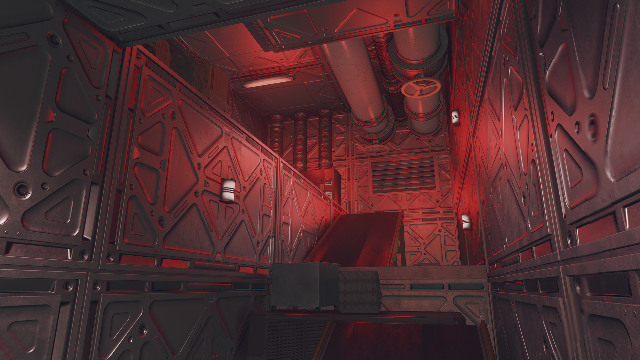
Remnant of Tiangong is a standalone single-player level designed for Starfield. The level focuses primarily on exploration, supported by light puzzle-solving and combat encounters. The spatial layout is designed to provide varied gameplay experiences and support multiple combat approaches.
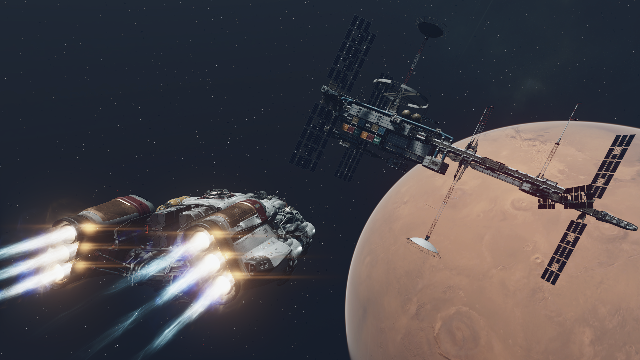
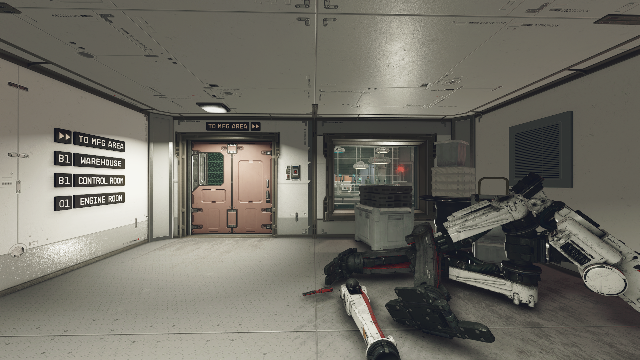
The level takes place in Tiangong-7, an abandoned research space station orbiting Mars. The player, acting as a member of Constellation, receives a mission in New Atlantis from an explorer named Wendy. She reports that she and her friend discovered an ancient 21st-century space station. During their exploration, they were attacked by hostile robots, leaving her friend trapped inside the station.
The player is tasked with entering Tiangong-7, rescuing the survivor, and uncovering the secrets hidden within the abandoned space station.
< Remnant of Tiangong >
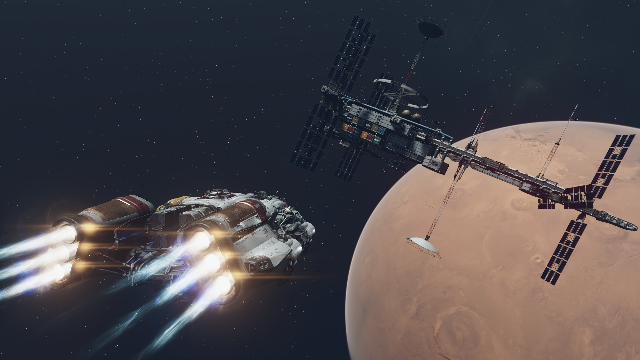
Tool: Starfield Creation Kit
Development Time: 20 weeks
Average Playtime: 20 minutes
My Role: Level Designer (Layout, Quest, Combat, Narrative), Programmer, Artist
< Level Overview >
Level Design Document
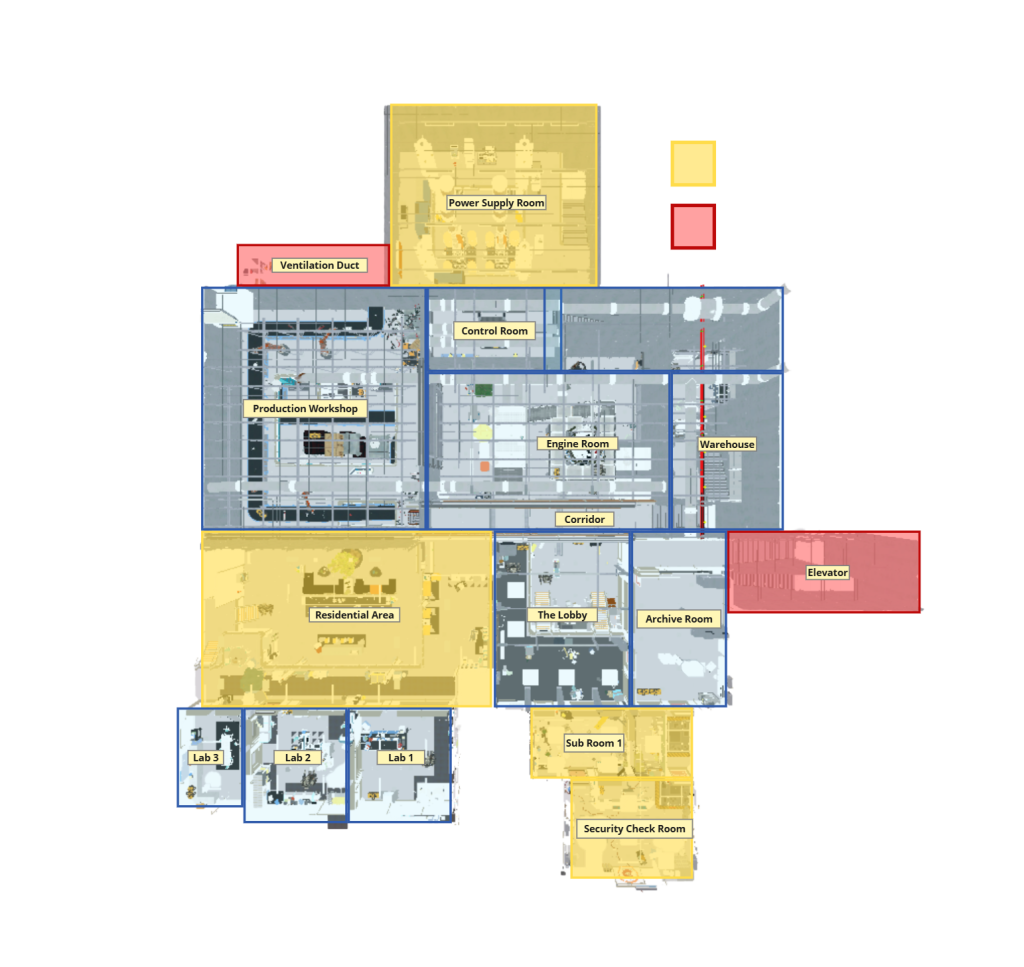
Overview Map
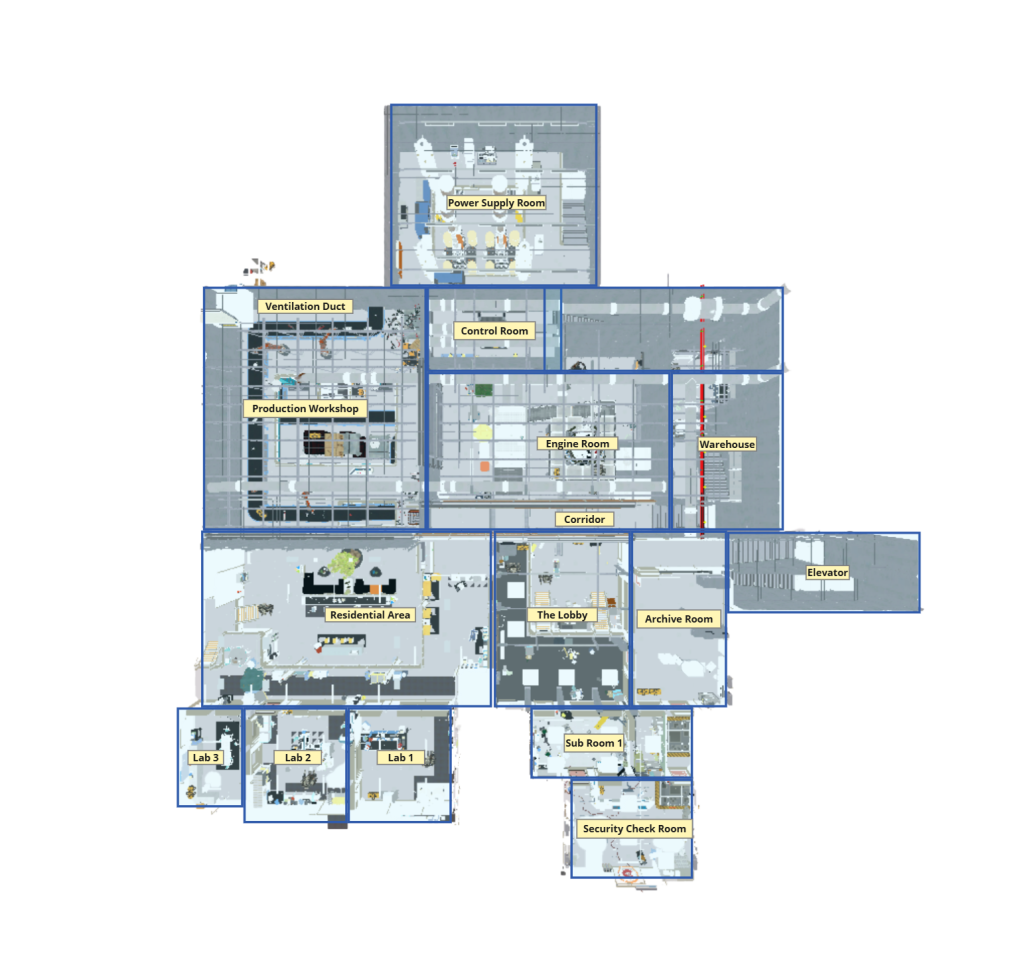
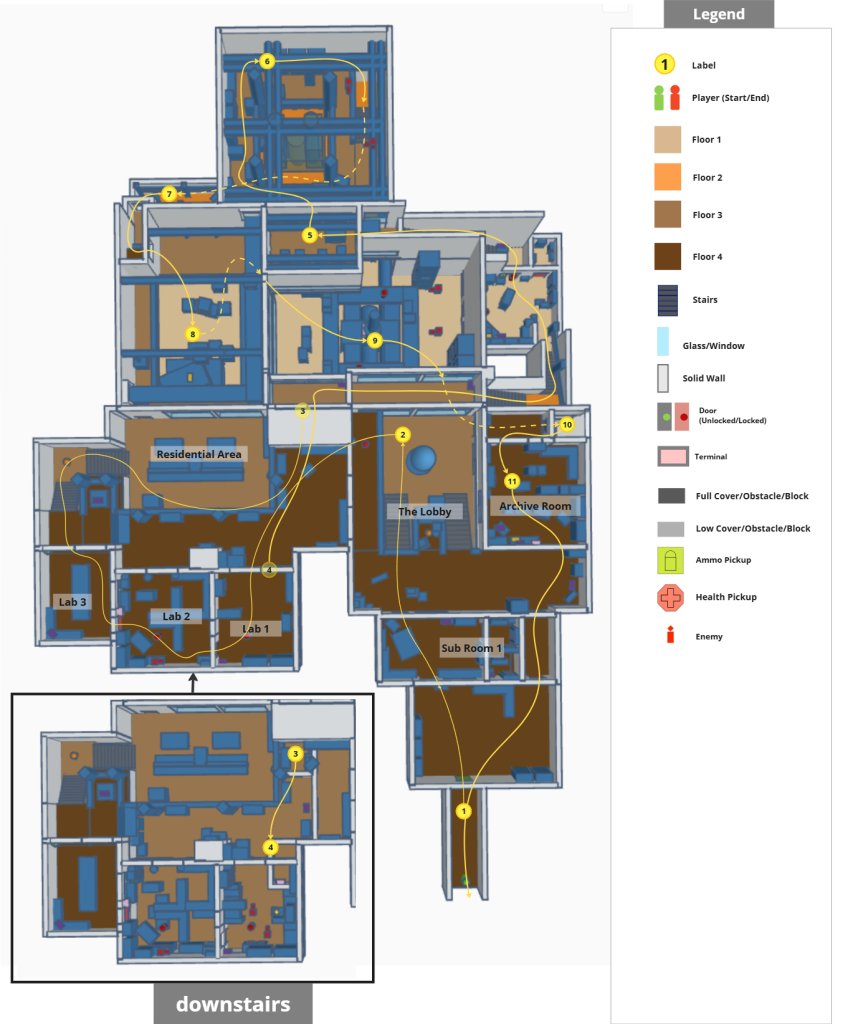
Level Walkthrough Summary
| Map Label | Gameplay Summary |
|---|---|
| 0 | The player accepts the quest from the Quest Giver. |
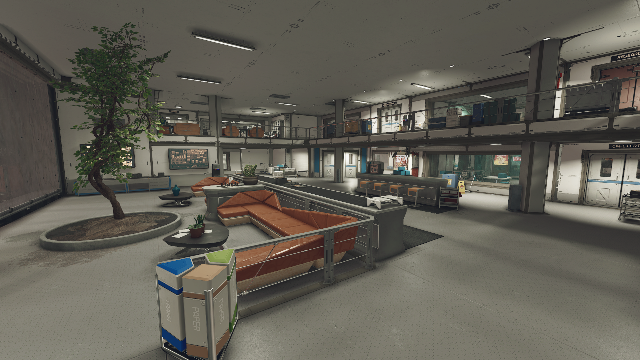
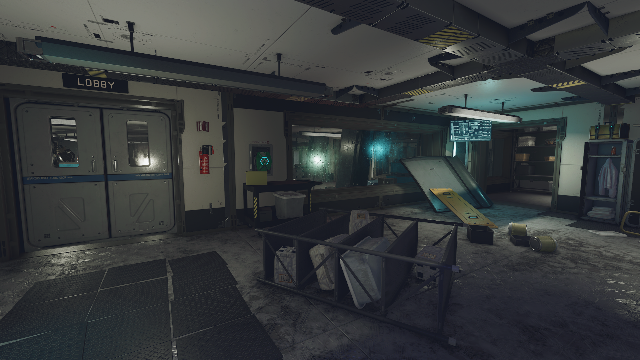
| 1 | The player enters the station, loots a key and a log from a corpse, unlocks the door, and enters the lobby. |
| 2 | The player communicates with Zhang through an intercom via a window. |
| 3 | The player reaches the engine room entrance through the residential area. |
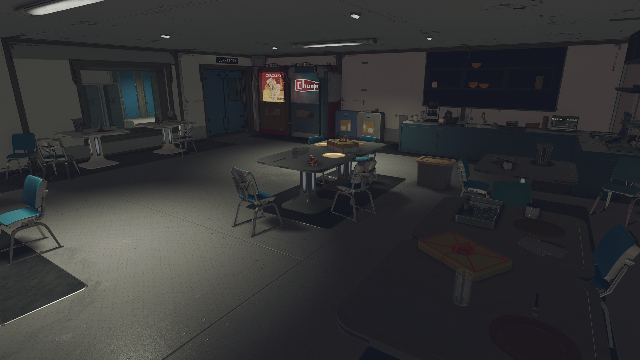
| 4 | The player finds a key inside the dormitory. |
| 5 | The player arrives at the Control Room and meets Zhang. After a conversation, Zhang asks the player to enter the Engine Room. |
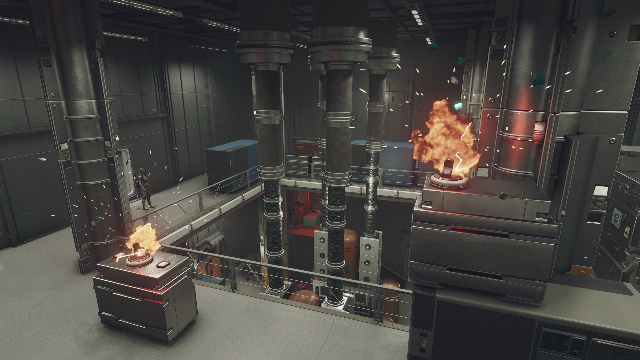
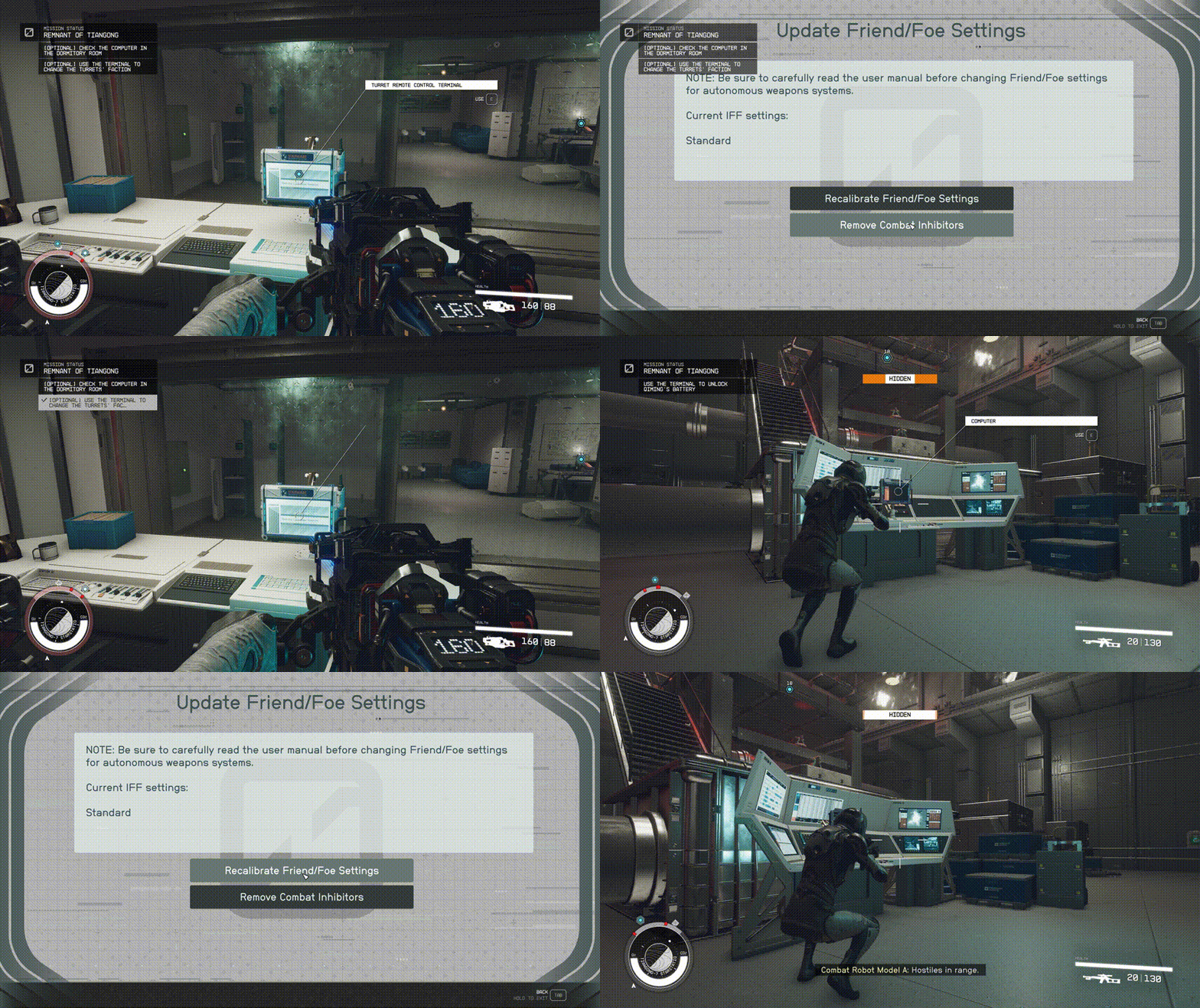
| 6 | The player uses a terminal to switch the faction of the turrets in the power room. |
| 7 | The player uses the ventilation ducts in the power room to access the Workshop. |
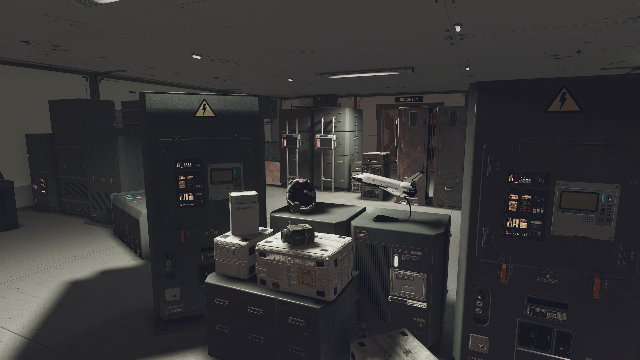
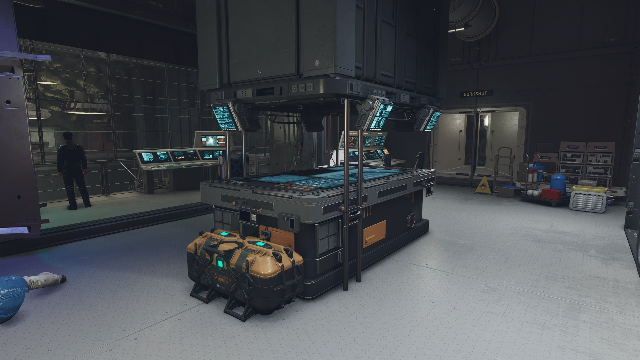
| 8 | The player gathers additional information and supplies in the Workshop. |
| 9 | The player removes the battery from the huge machine (Qiming), shutting down the AI system. |
| 10 | The player returns to the 4th floor using a shortcut. |
| 11 | The player collects information about the station in the archives and completes the quest. |
< Level Features >
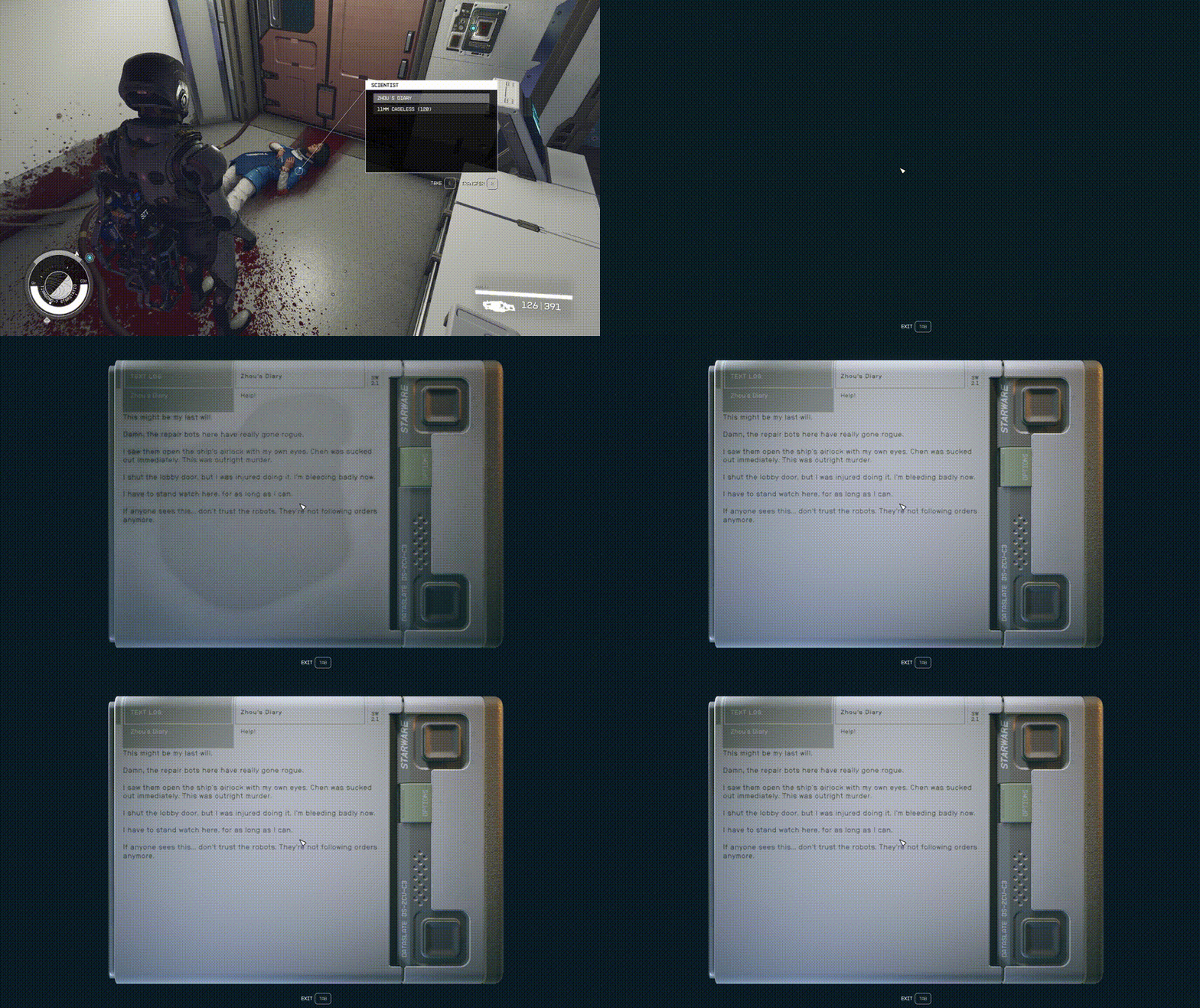
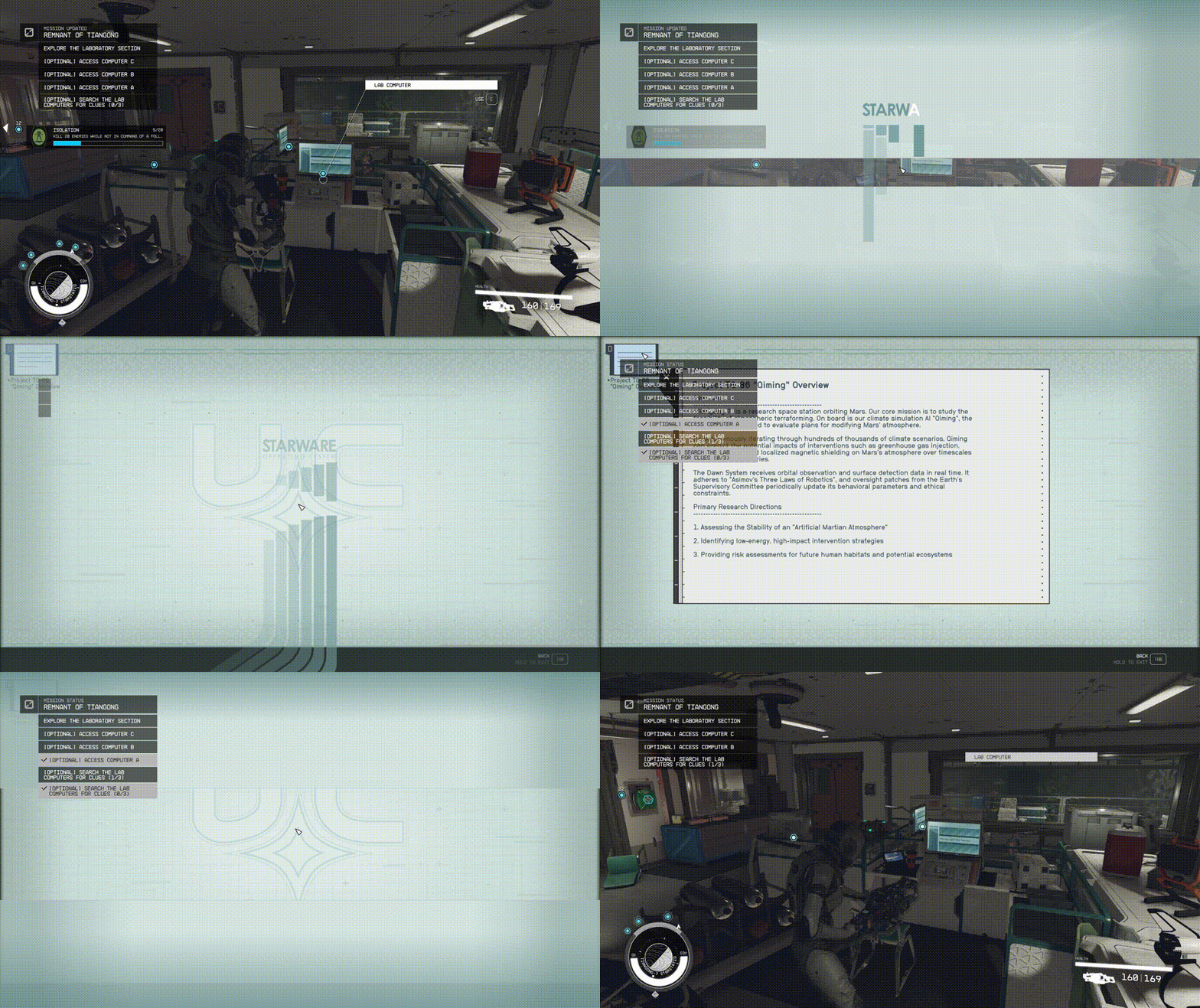
Narrative & Environmental Storytelling
The level features layered environmental storytelling delivered through logs, terminals, and spatial clues scattered throughout the station. Instead of presenting the narrative directly, players gradually uncover the history of Tiangong-7 through exploration.
Player Choice & Gameplay Flexibility
The level supports multiple gameplay approaches through interactive systems.
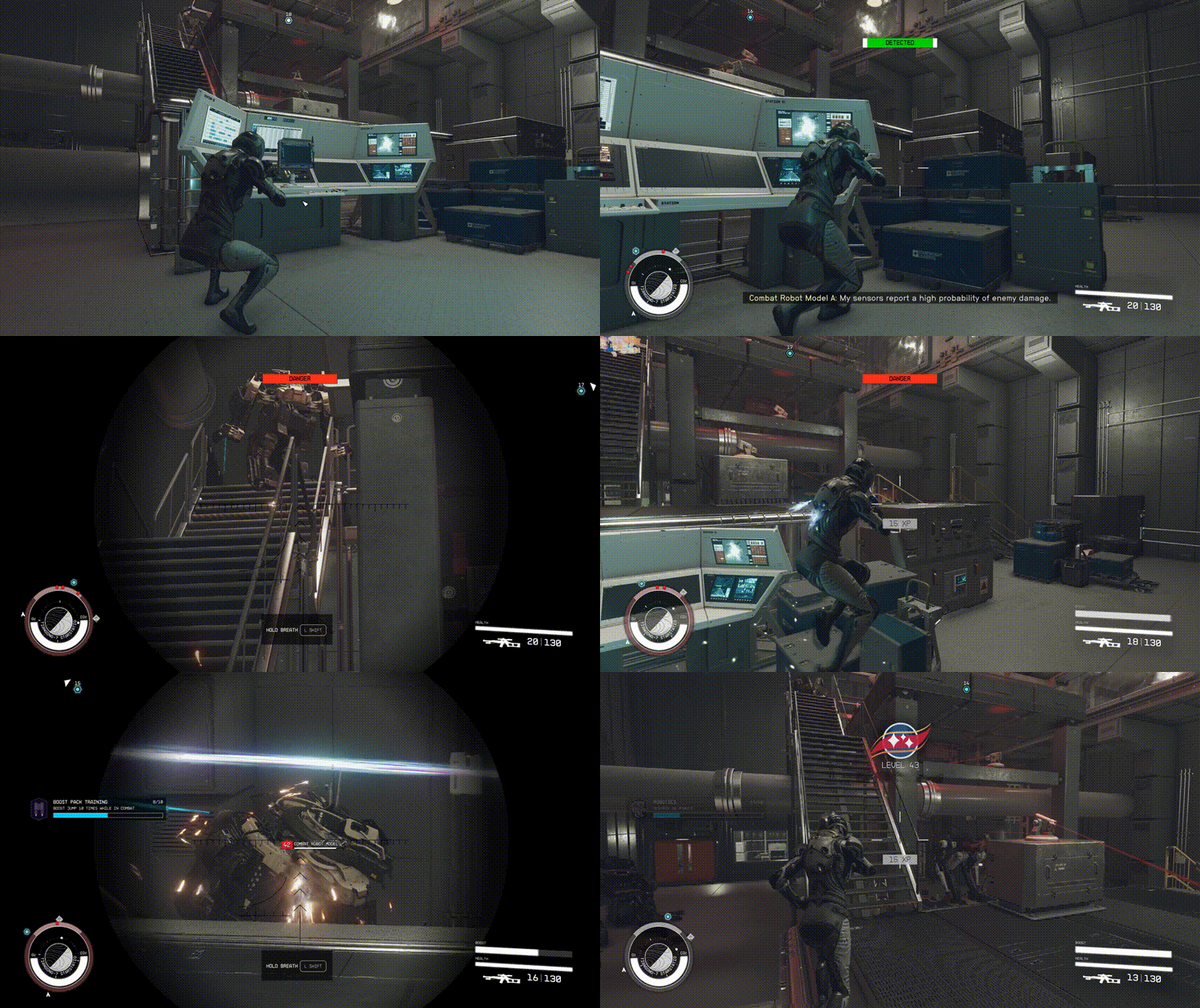
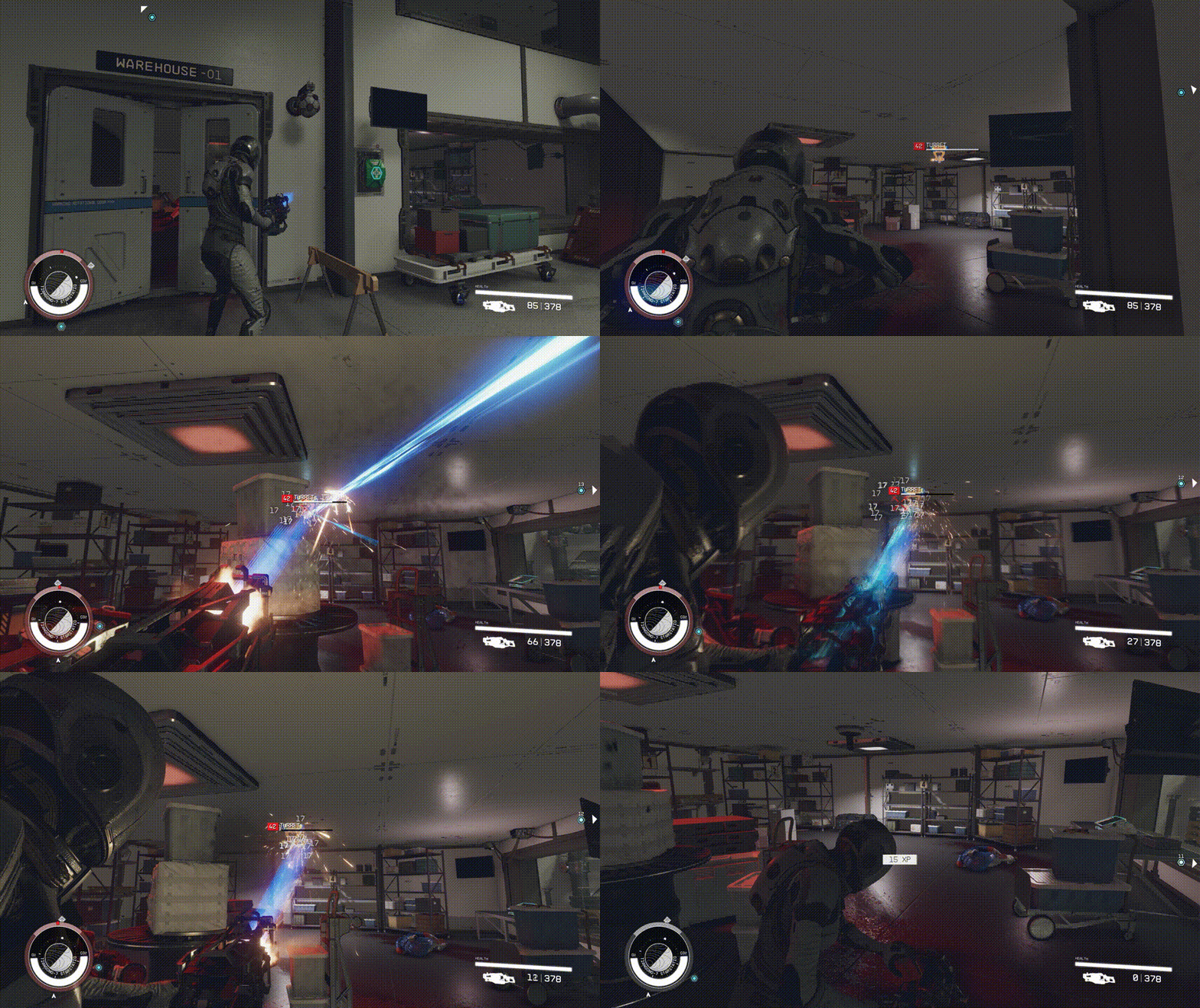
Players can access the special terminals in some rooms to change the faction of automated turrets. This creates several possible strategies for the player:
- Convert the turrets into allies that attack other enemies
- Avoid combat by turning hostile turrets neutral
- Directly destroy the turrets through combat
Level Structure & Spatial Reuse
The level structure is carefully designed to encourage efficient navigation and spatial familiarity.
Key design strategies include:
- Spatial reuse, where players revisit previously explored areas from different routes
- Shortcuts that unlock after progression, reducing backtracking
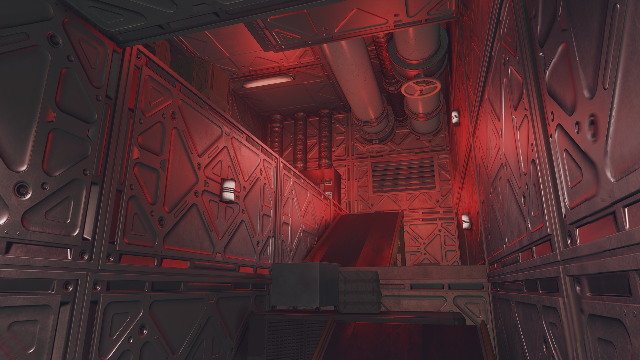
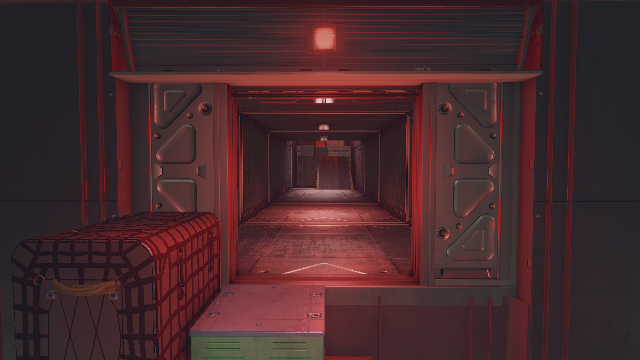
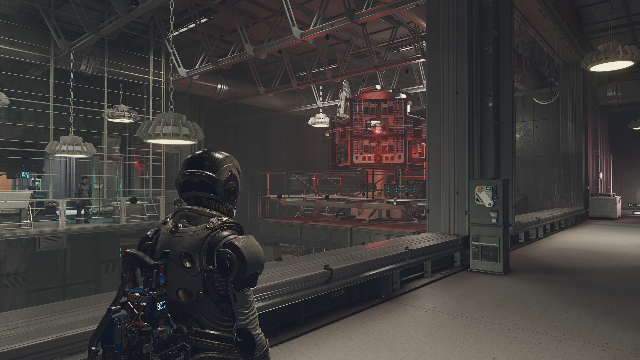
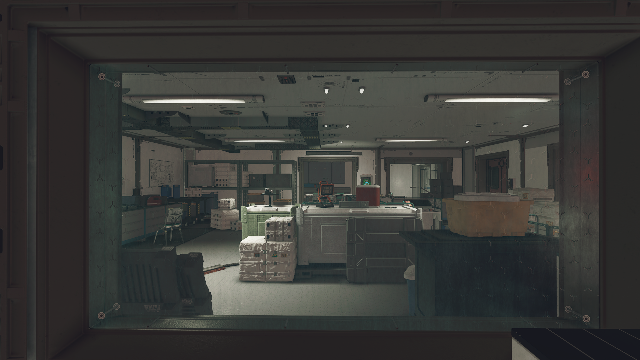
- Visual previews, allowing players to see future destinations before reaching them
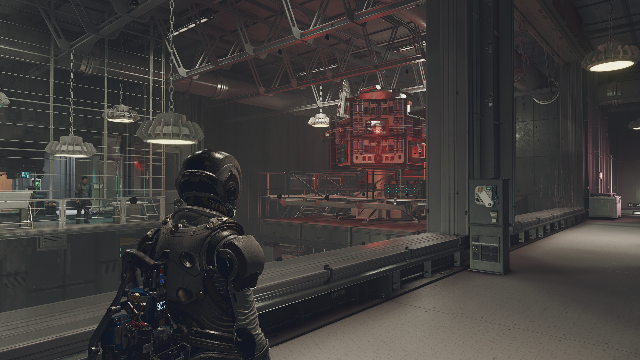
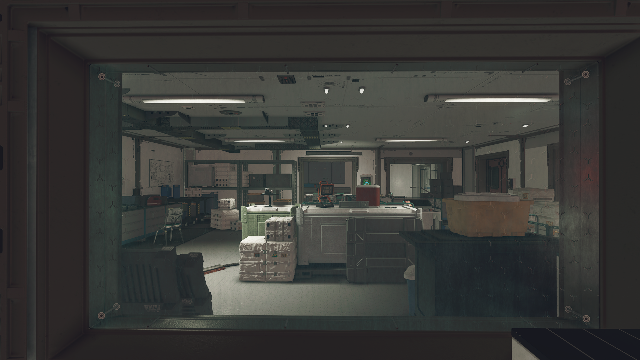
Spatial Composition & Tension Design
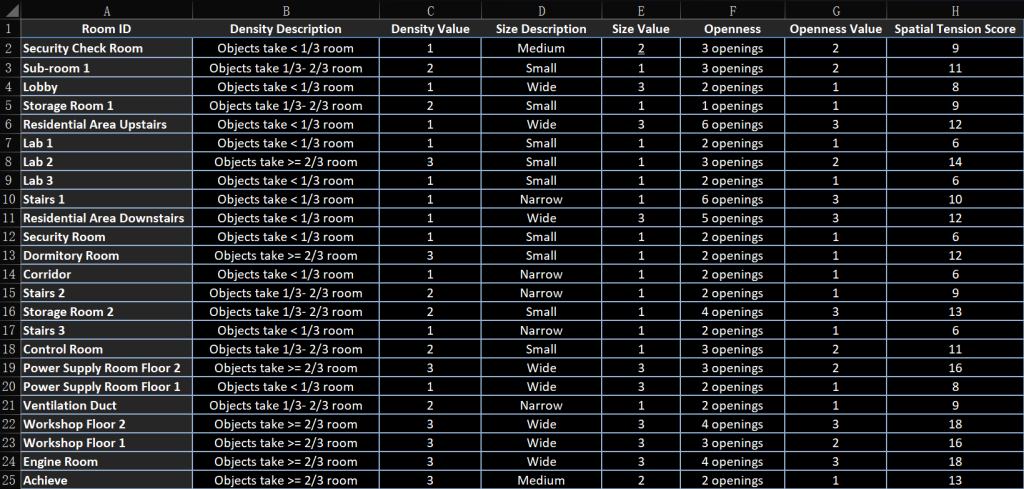
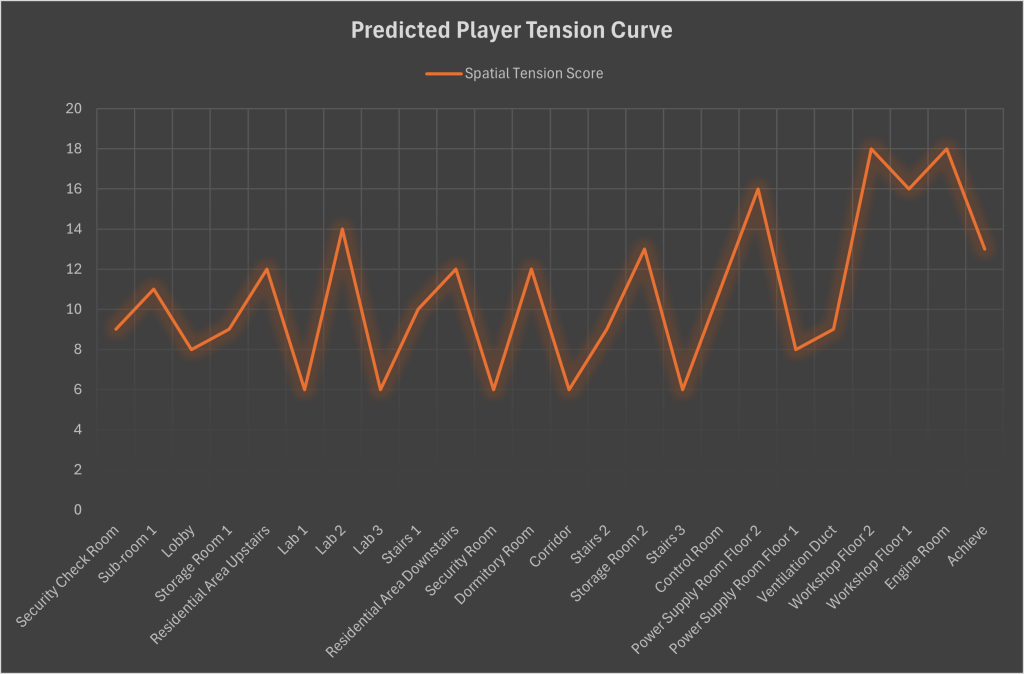
The spatial layout of the level is intentionally designed using principles of spatial tension modeling.
Spaces vary across several spatial parameters:
- Density (crowded vs open areas)
- Openness (enclosed corridors vs open rooms)
- Scale (large halls vs compact spaces)
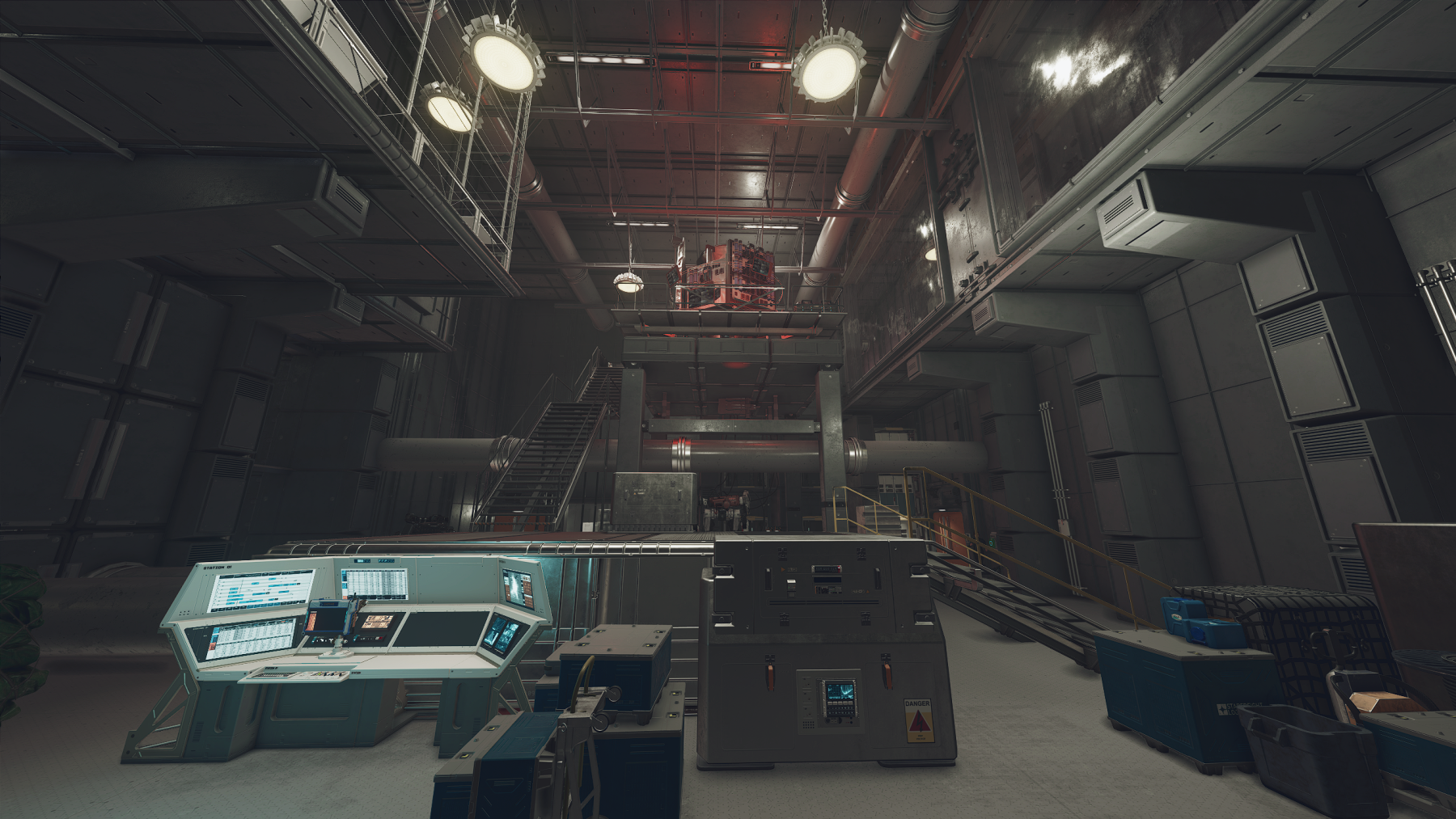
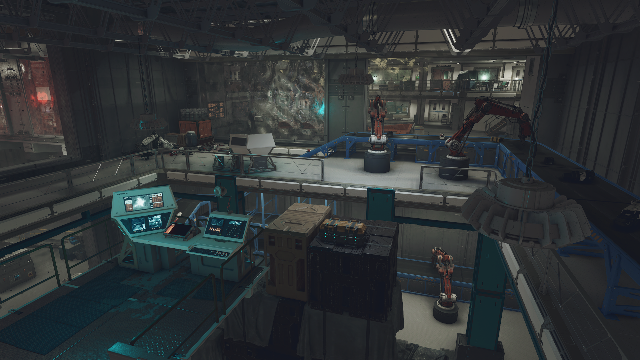
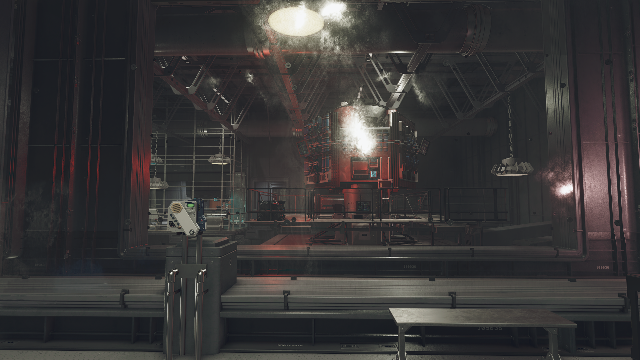
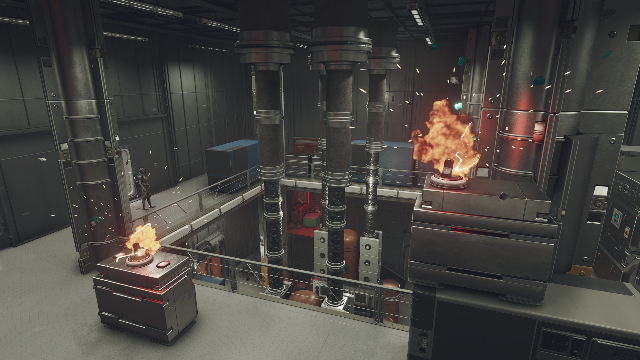
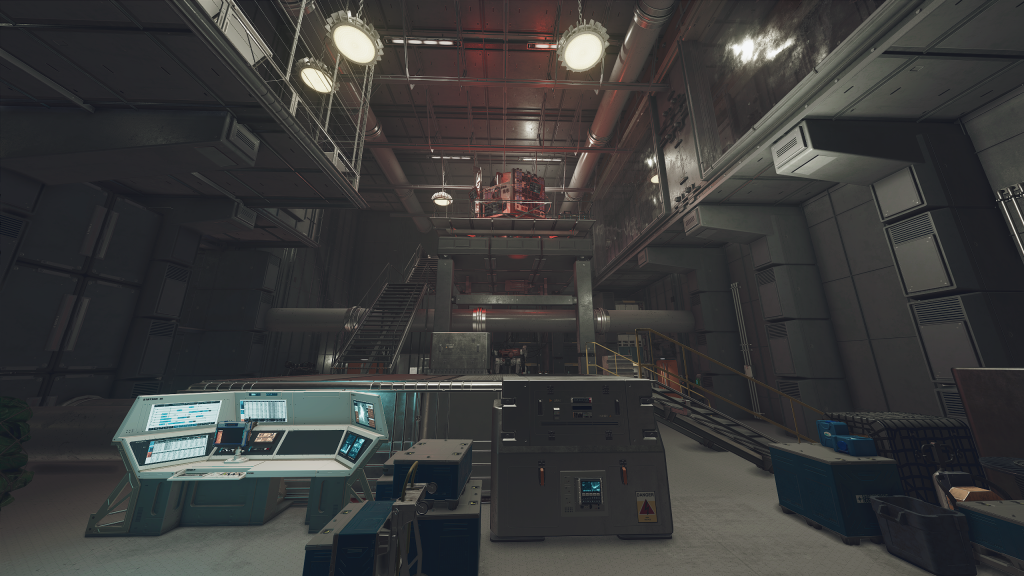
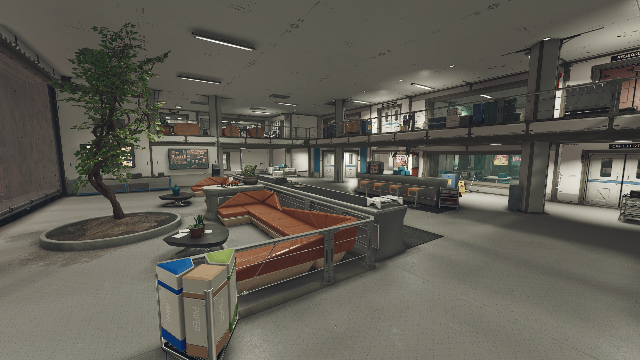
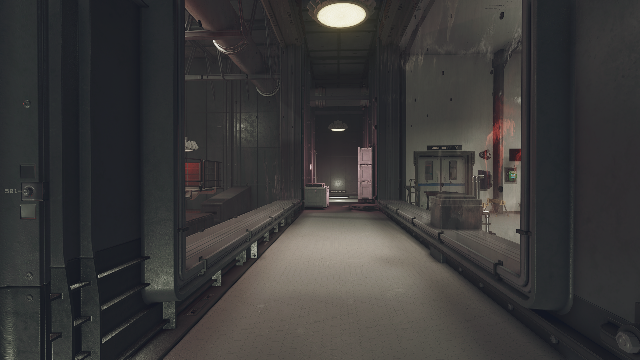
These spatial variations are arranged in sequence to create a designed tension curve for the player experience. High-density combat spaces are followed by calmer transitional areas, allowing tension to rise and release throughout the level.
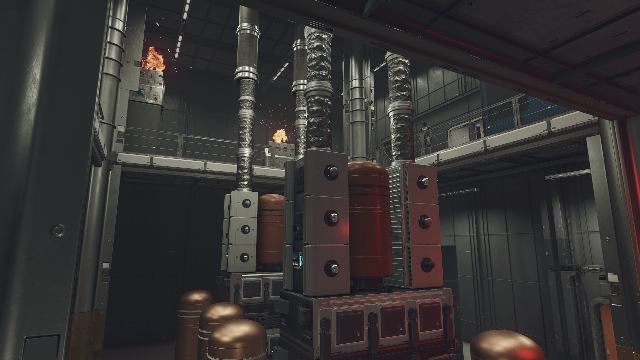
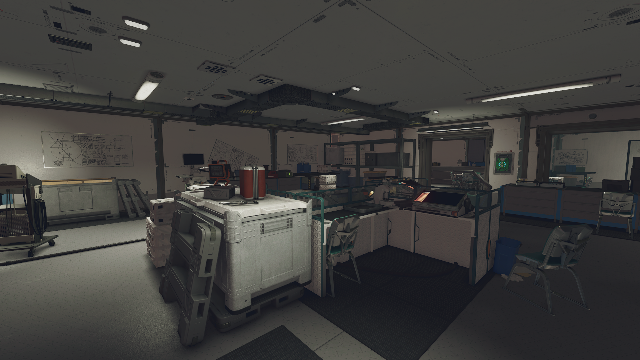
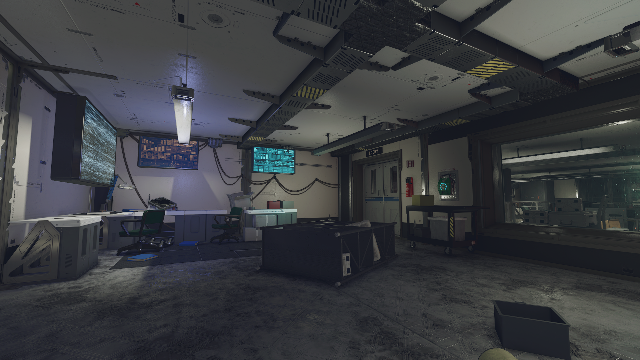
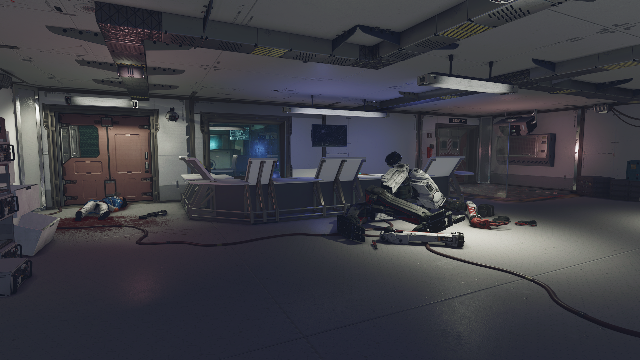
High-density combat space example
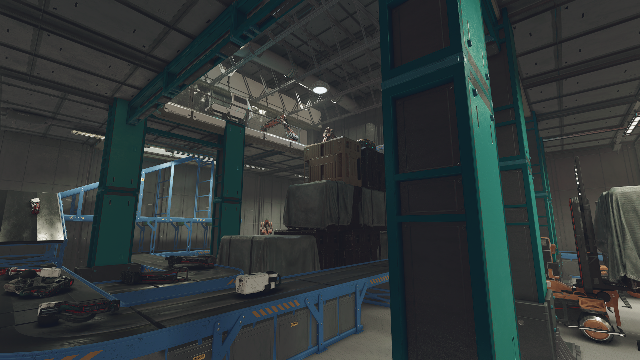
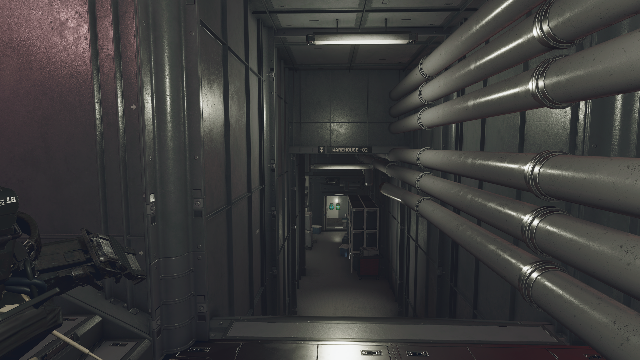
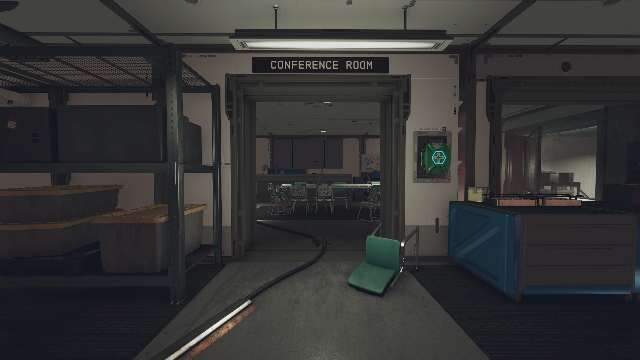
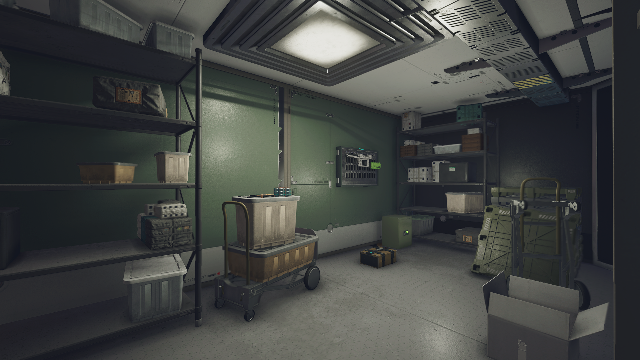
Transitional area example
This spatial sequencing supports the ideal tension curve proposed in the research framework behind the project.
Gallery