


< “Level Design”, “Half-Life 2” >
< Introduction >
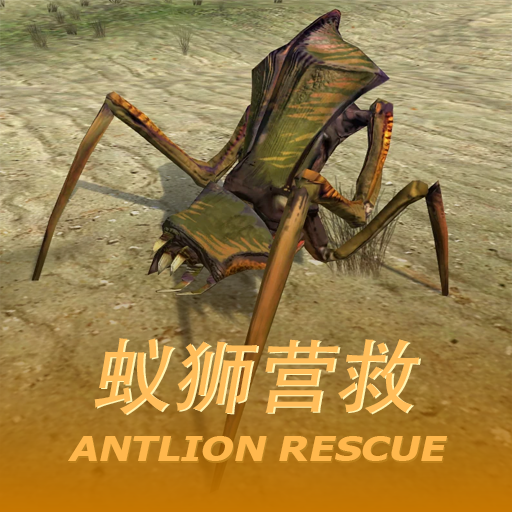
“Antlion Rescue” is a single-player Half-Life 2 level created as a standalone scenario set between the “Sandtraps” and “Nova Prospekt” chapters in the game, when Antlions have become allies of the Resistance. Gordon Freeman and a trained Antlion are dispatched by the Resistance to assault a Combine facility along the coast. The level consists of four main sections, including two outdoor scenes and two indoor scenes.
Tool: Hammer (Source Engine)
Development Time: 4 weeks
Average Playtime: 20 minutes
My Role: Level Design (Layout, Quest, Combat, Narrative), Programmer, Artist
< Gameplay Overview >
In the original Half-Life 2, Antlions could only help players eliminate enemies. In this level, I introduced more mechanics, reframing the Antlion as a more capable companion.
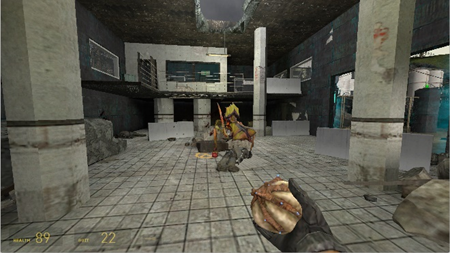
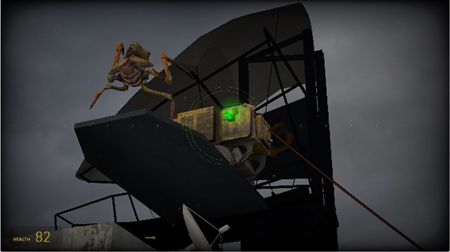
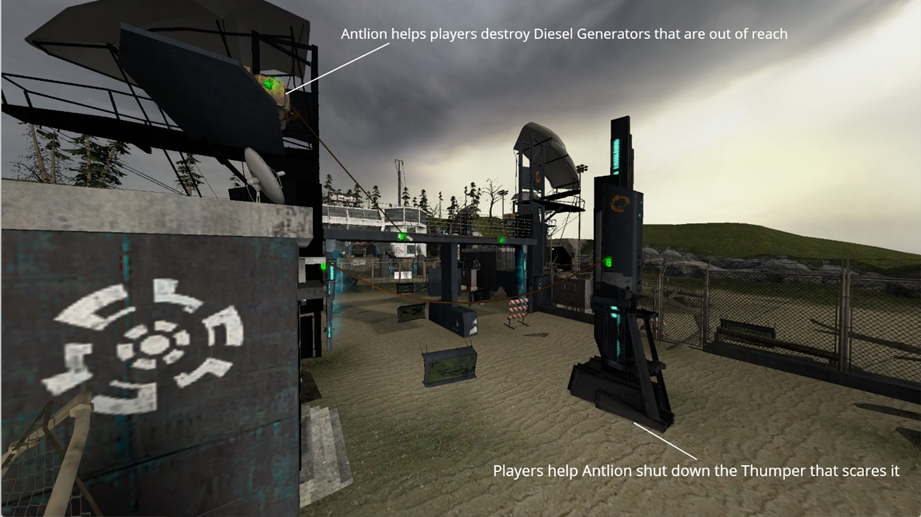
In “Antlion Rescue”, the player uses the Pheropod to control a trained Antlion, which can help the player defeat enemies, clear rock obstacles in the way, and reach areas inaccessible to the player. As the player, you can use the gravity gun to pick up objects to create pathways, operate buttons on panels to disable Thumpers or Combine Fences to allow the player and the Antlion to infiltrate the facility.
< Development Pipeline >
This level follows a structured production pipeline to ensure timely delivery.
Pre-production
Pre-production includes brainstorming, Level Design Documentation, and gameplay prototyping.
Production
The production phase includes milestones such as Whitebox, Initial Gameplay, Gameplay Complete, Aesthetic, and Launch.
< Level Features >
Puzzle-solving
“Antlion Rescue” combines puzzle-solving and combat, introducing mechanics that require coordinated use of the Gravity Gun, Antlion abilities, and world interactions.
Diverse Combat Scenes
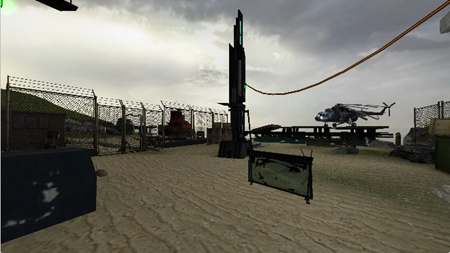
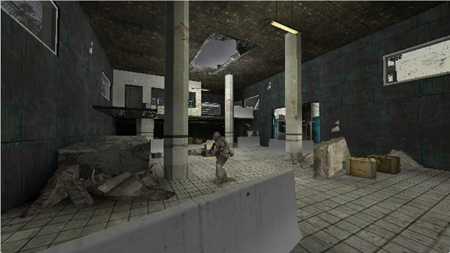
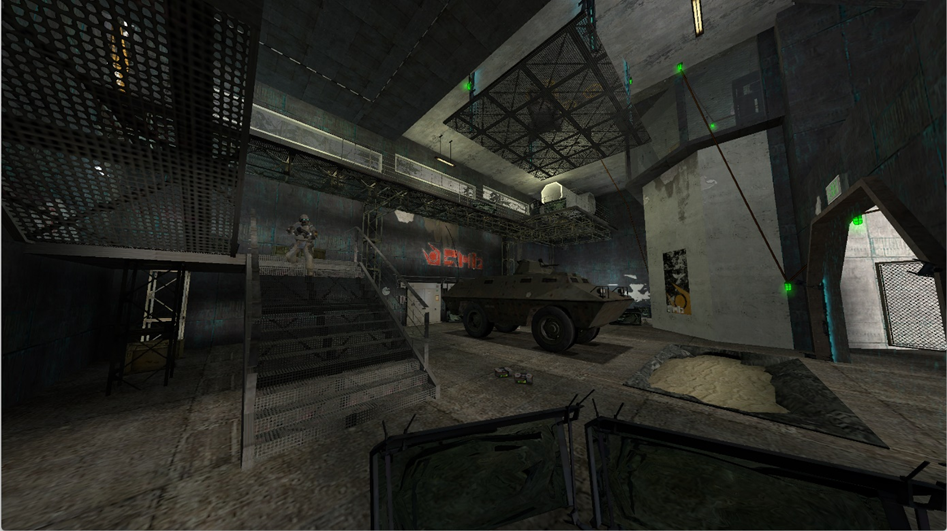
“Antlion Rescue” consists of a total of four combat scenes, two of which are outdoors and two indoors. The indoor encounters are split between a vertically layered structure and a lower-profile facility, smoothly transitioning the player from open coastlines into tight industrial interiors, balancing combat encounters with quieter puzzle moments to maintain a dynamic gameplay rhythm.
Different combat scenarios also make it possible to configure a diverse range of enemies. Levels combine Manhacks, ranged and melee Combine soldiers to effectively control the pace of battle.
< Level Design >
I attempted to apply the level design theories I learned at Guildhall in practical scenarios within the game levels. The level uses lighting and color contrast to differentiate the importance of objectives and guide players
Light-dark Contrast
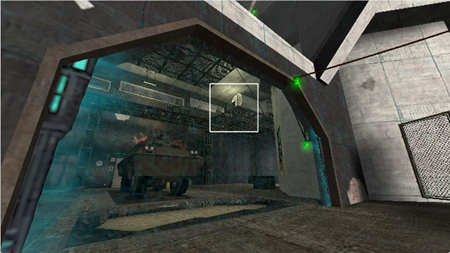
Lights are placed at key objectives to attract player attention. As shown in the image, players cannot enter this door because it is blocked by a Combine Fence, but they can see another entrance through the Combine Fence.
Color Contrast
Different materials are used in the scene to highlight the importance of space.
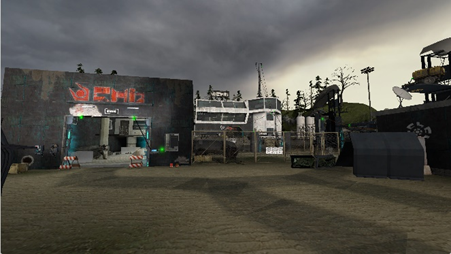
For example, this white building is one of the player’s objectives, using white to contrast with the surrounding environment and stand out.
Leading Lines
Leading lines are used in the level to guide the player’s visual endpoint, such as fences, branches, and cables.
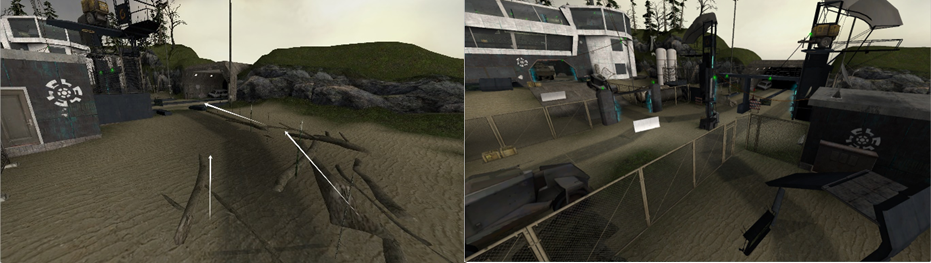
The drawn path, along with the surrounding fence and numerical indicators, guides players towards its endpoint, which is the Tunnel, the goal for players.
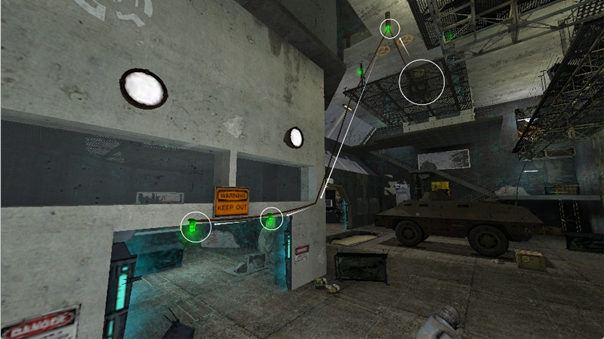
Cables are also used in some puzzles to connect the Diesel Generator, Interface, and Combine Fence, indicating the control relationship between them.
Additionally, signal lights are referenced in the puzzle to assist in communication. The red signal represents the off state, while green indicates active status, thus displaying the operational status of the equipment.